
Hypothyroidism: What causes it, symptoms, how to diagnose and treat it
Up to 5% of adults have an underactive thyroid.
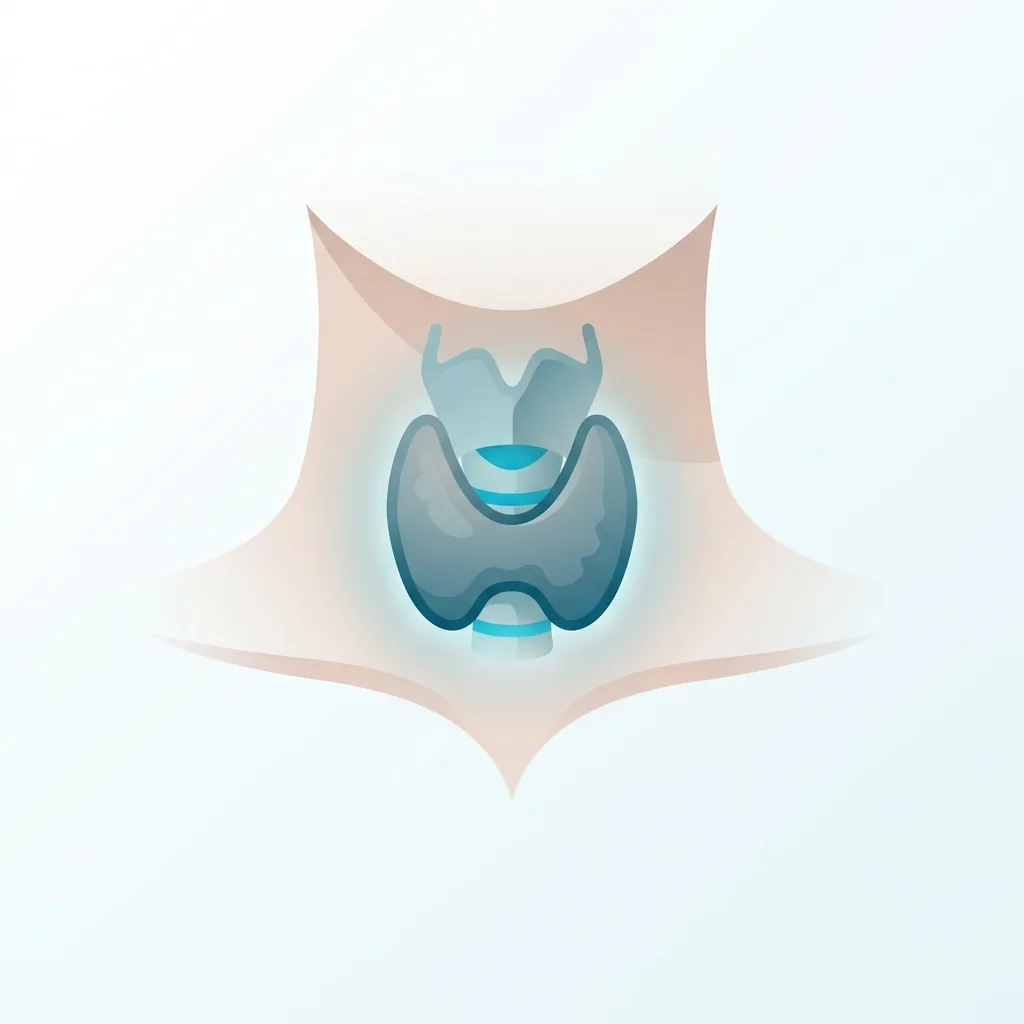
What does an underactive thyroid mean?
Hypothyroidism is a condition in which the thyroid gland does not produce enough thyroid hormone. It is classified as primary (the problem starts in the thyroid), secondary (related to the pituitary gland or hypothalamus), or congenital. The global prevalence of the disease is 1–2%, while subclinical hypothyroidism reaches 5–10%. The risk increases with age and is higher in women.
Symptoms
Symptoms are non-specific and worsen over time. They include fatigue, intolerance to cold, weight gain on a normal diet, dry skin, hair loss (especially in the outer third of the eyebrows), brittle nails, constipation, a puffy face, a hoarse voice, a slow heart rate (bradycardia), muscle cramps, joint stiffness, heavy or irregular menstrual periods, low libido, infertility, depression, and difficulty with memory and concentration. Myxedema coma is a rare, life-threatening condition that occurs in untreated hypothyroidism. It causes hypothermia, impaired consciousness, and respiratory failure.
Causes
Hashimoto's thyroiditis is the most common cause. Other causes are: a) hypothyroidism after surgery or radioactive iodine therapy, or radiation therapy to the neck (for example, laryngeal cancer); b) insufficient iodine intake (still common in parts of Eastern Europe, Asia, and Africa); c) certain medications (amiodarone, lithium, interferon-alfa, tyrosine kinase inhibitors, immune checkpoint inhibitors); d) transient thyroiditis (subacute, postpartum — usually recovers); e) congenital hypothyroidism (newborn screening); and f) central hypothyroidism due to pituitary disease.
Blood tests
TSH is the best test for detecting thyroid-based hypothyroidism. In central hypothyroidism, TSH is low, slightly above normal, or normal together with low fT4 and fT3 levels, which also requires additional evaluation of pituitary function. Anti-TPO shows whether the condition is Hashimoto's thyroiditis. In addition, a complete blood count, ferritin, vitamin B12, a lipid profile (which may show high LDL cholesterol), and sodium (which may be low in severe disease) can be tested.
Imaging studies
Thyroid ultrasound shows a hypoechoic thyroid gland. Nodules may also be found in the thyroid, which should be classified according to TIRADS. If central hypothyroidism is suspected, an MRI of the pituitary gland is ordered.
Treatment
Levothyroxine is the best treatment. Starting dose: 1.6 µg/kg/day in young healthy adults; 25–50 µg/day in the elderly or in people with heart disease, with the dose increased slowly. Take the tablet 30–60 minutes before food, coffee, or other medications. Calcium, iron, magnesium, and proton pump inhibitors must not be taken together with levothyroxine, as they impair its absorption. The TSH target is usually 0.4–4.0 mIU/L in most adults and 0.4–7.0 mIU/L in elderly people. During pregnancy it should be lower (below 2.5 in the first trimester).
Monitoring and follow-up intervals
TSH should be checked 8–12 weeks after starting treatment or changing the dose. In hypothyroidism due to pituitary damage, fT4/fT3 should be checked instead of TSH. Once the levothyroxine dose is correct, further monitoring is every 12 months. When pregnancy is confirmed, the levothyroxine dose should be increased immediately by 25–50%. After that, recheck every 4–8 weeks until TSH stabilizes and then at least once per trimester. If a patient on levothyroxine becomes pregnant, TSH must be rechecked.
Medical disclaimer. This article is for general educational purposes and does not replace consultation, diagnosis or treatment by a qualified healthcare professional. Always discuss your individual situation with your own doctor.