
Graves' Disease: Symptoms, Causes, Diagnosis, and Treatment
Graves' disease is the most common cause of hyperthyroidism.
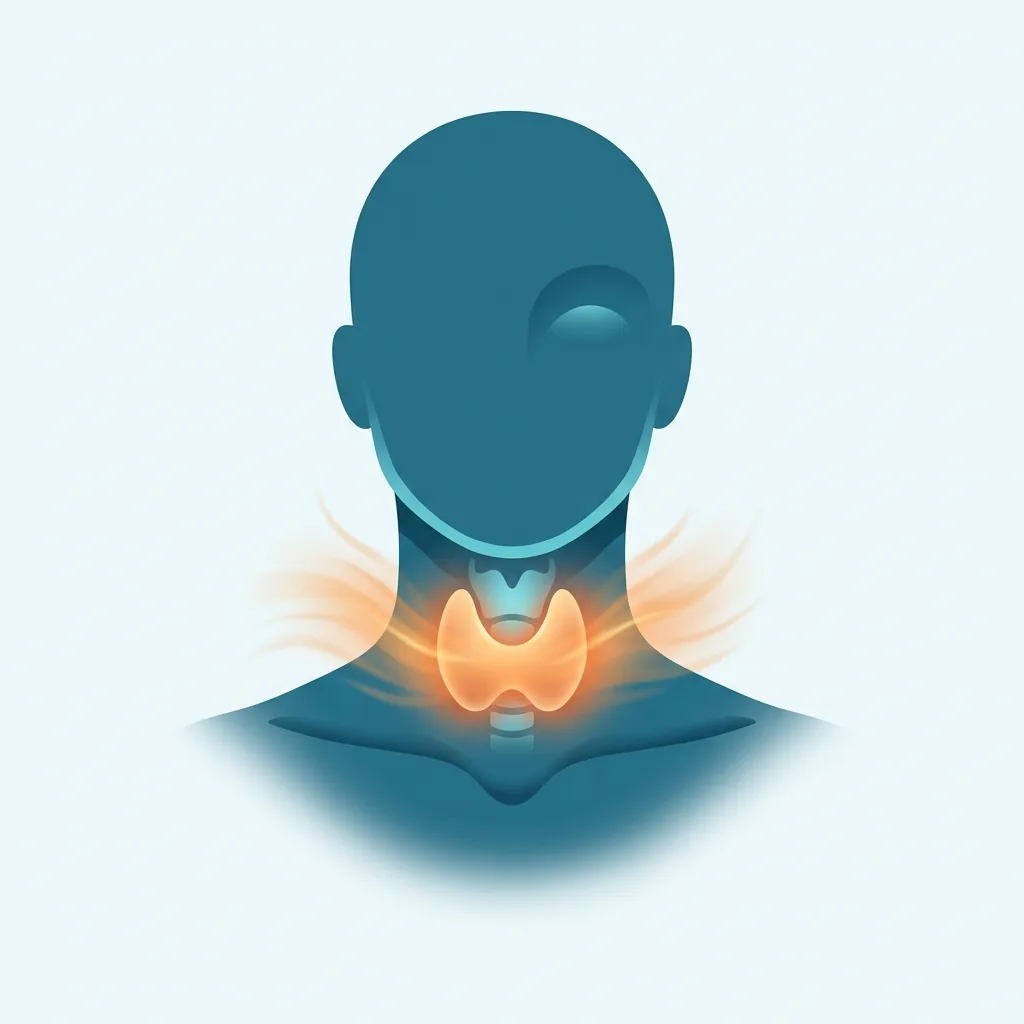
What is Graves' disease?
Graves' disease is an autoimmune disorder in which the body produces thyroid-stimulating antibodies (thyroid-stimulating immunoglobulins / TSI or TRAb) that cause an overactive thyroid. It is the most common cause of hyperthyroidism, accounting for about 60–80% of cases. Women are affected five to ten times more often than men and are typically between 20 and 50 years old.
Symptoms and signs
The classic symptoms of thyrotoxicosis appear over weeks or months. They include unintentional weight loss despite a good appetite, feeling hot, excessive sweating, palpitations, a fast or irregular heart rate (tachycardia, atrial fibrillation), hand tremors, anxiety, irritability, insomnia, diarrhea or more frequent bowel movements, muscle weakness (especially in the thighs and upper arms), irregular menstrual periods, and hair thinning. Graves' disease has some distinctive features not seen in other causes of hyperthyroidism. For example, about 25% of patients develop Graves' ophthalmopathy, which causes bulging eyes, a gritty sensation in the eyes, double vision, and retraction of the eyelids. In rare cases, patients may also develop pretibial myxedema, which appears as reddish-brown thickening of the skin on the shins.
Causes and what increases the likelihood of developing it
The cause is autoimmune. Genetic predisposition (HLA-DR3, CTLA-4, and PTPN22 gene variants) combined with environmental factors such as smoking (especially in eye disease), excessive iodine intake, stress, recent childbirth, and certain viral infections drives the production of TSH-receptor-stimulating antibodies. A family history of Graves' disease, Hashimoto's thyroiditis, or other autoimmune diseases increases the risk.
Blood tests
TSH is low (<0.1 mIU/L) and fT4 and/or fT3 are elevated. TSI (or TRAb) is positive (above the normal range) in more than 95% of cases and is the most specific diagnostic marker. Anti-TPO and anti-TG can also be positive. After starting antithyroid medication, a complete blood count and liver enzymes are checked, because thionamides can cause agranulocytosis and liver toxicity.
Imaging studies
On ultrasound, the thyroid may appear enlarged and hypoechoic, and Doppler imaging shows abundant blood flow. In moderate-to-severe ophthalmopathy, an MRI or CT scan of the orbit may be needed.
Treatment
There are three main options. (1) Antithyroid medications: the first choice is methimazole (thiamazole) 10–40 mg per day. Propylthiouracil is used during pregnancy or in case of methimazole allergy. Most patients continue treatment for 18–24 months, and about 30–50% achieve remission. (2) Radioactive iodine therapy (RAI), used when oral medications have not worked within 24 months — a single oral dose of I-131 destroys thyroid cells, reducing hormone production. Many patients develop hypothyroidism within 3–6 months and require lifelong levothyroxine replacement. RAI is not given to pregnant or breastfeeding women, or to patients with moderate-to-severe eye disease. (3) Total thyroidectomy is performed only in cases of large goiters, severe eye disease, pregnancy when medications do not work, or by patient choice. Beta-blockers are added early to relieve symptoms (propranolol 20–40 mg four times a day or bisoprolol 5–10 mg per day). If orbitopathy is moderate-to-severe, it is treated separately with selenium, steroids, or newer biologic drugs such as teprotumumab.
Monitoring and follow-up timelines
While taking antithyroid medications, check TSH, fT4, and fT3 levels every 8–12 weeks, then every 3–4 months once they have stabilized. It takes 2–3 months for TSH and TSI levels to normalize. Check TSI levels before stopping treatment. If TSI remains high, the patient has a likely risk of disease relapse. Check TSH and fT4/fT3 levels every 1–3 months after radioactive iodine therapy or surgery, until the correct replacement dose has been found. After that, check TSH once a year. If you develop fever or sore throat while taking thionamides, the white blood cell count must be checked immediately.
When to go to the emergency department
Go to the emergency department immediately if you have chest pain, shortness of breath, an irregular heart rhythm, confusion, very high fever, severe vomiting, or restlessness (which may be a thyroid storm); or if your vision suddenly worsens or you see double; or if you have a high fever and sore throat while taking methimazole or propylthiouracil.
Medical disclaimer. This article is for general educational purposes and does not replace consultation, diagnosis or treatment by a qualified healthcare professional. Always discuss your individual situation with your own doctor.