
Should you be treated for subclinical hypothyroidism?
One of the most common abnormalities on blood tests is a slightly elevated TSH with a normal fT4.
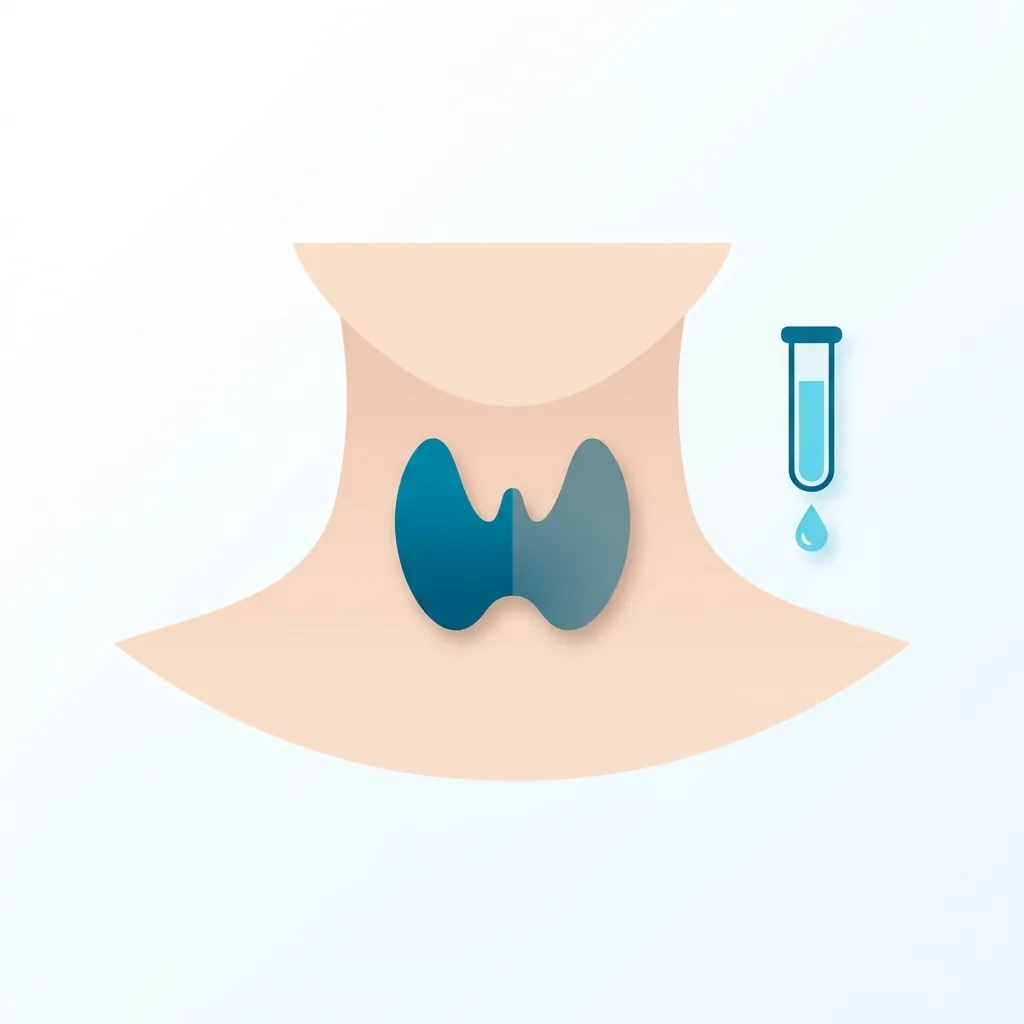
Definition
When the level of the thyroid hormone TSH in the blood is slightly above normal, typically > 4.0 mIU/L, while fT4 is within the normal range — these findings characterize subclinical hypothyroidism. It occurs in 5–10% of adults, is more common in women, and becomes more frequent with age. Most patients have no symptoms, though some report fatigue or a low mood.
Causes
Chronic autoimmune thyroiditis (Hashimoto's disease) is the most common cause. Other causes include the recovery phase of subacute thyroiditis, previous radioactive iodine therapy or surgery, a recent unrelated illness, excessive iodine intake, certain medications (amiodarone, lithium, interferon), and laboratory or analytical variability.
Blood tests
An elevated thyroid-stimulating hormone (TSH) should be rechecked 2–3 months later before any treatment decision, because TSH levels can fluctuate considerably in the body. TSH, free T4 (fT4), and thyroid antibodies (anti-TPO) should be checked. A positive anti-TPO supports the diagnosis of Hashimoto's disease and indicates progression to overt hypothyroidism in about 3–5% of cases per year. In practice, a TSH that persistently stays above 7–8 mIU/L (or above 9 mIU/L in the elderly) is considered overt hypothyroidism.
Imaging studies
If the cause is unclear, if there is a palpable enlargement or nodule of the thyroid, or if anti-TPO is negative, a thyroid ultrasound may help. In autoimmune thyroiditis, the ultrasound usually shows a heterogeneous, hypoechoic structure. Any nodules should be classified according to the TIRADS system and monitored accordingly.
Who should be treated with levothyroxine?
When TSH stays above 7 mIU/L. When the patient is pregnant or planning pregnancy (TSH should be below 2.5 mIU/L in the first trimester and below 3.0 in the second and third trimesters). When TSH is 4–7 mIU/L and age < 65, or age > 65 with TSH up to 9 mIU/L and no symptoms, repeat monitoring every 12 months is often the preferred approach. When treatment is started, it usually begins with levothyroxine at a dose of (25) 50 µg per day, which is then adjusted; the starting dose depends on the TSH value and on other coexisting conditions.
Follow-up
If you are not on treatment, your TSH and anti-TPO levels should be checked every 12 months — or sooner if pregnancy is being planned. If you are on treatment, tests should be repeated 8–12 weeks after starting therapy or changing the dose, and then, once the condition is stable, continued every 12 months.
Medical disclaimer. This article is for general educational purposes and does not replace consultation, diagnosis or treatment by a qualified healthcare professional. Always discuss your individual situation with your own doctor.